
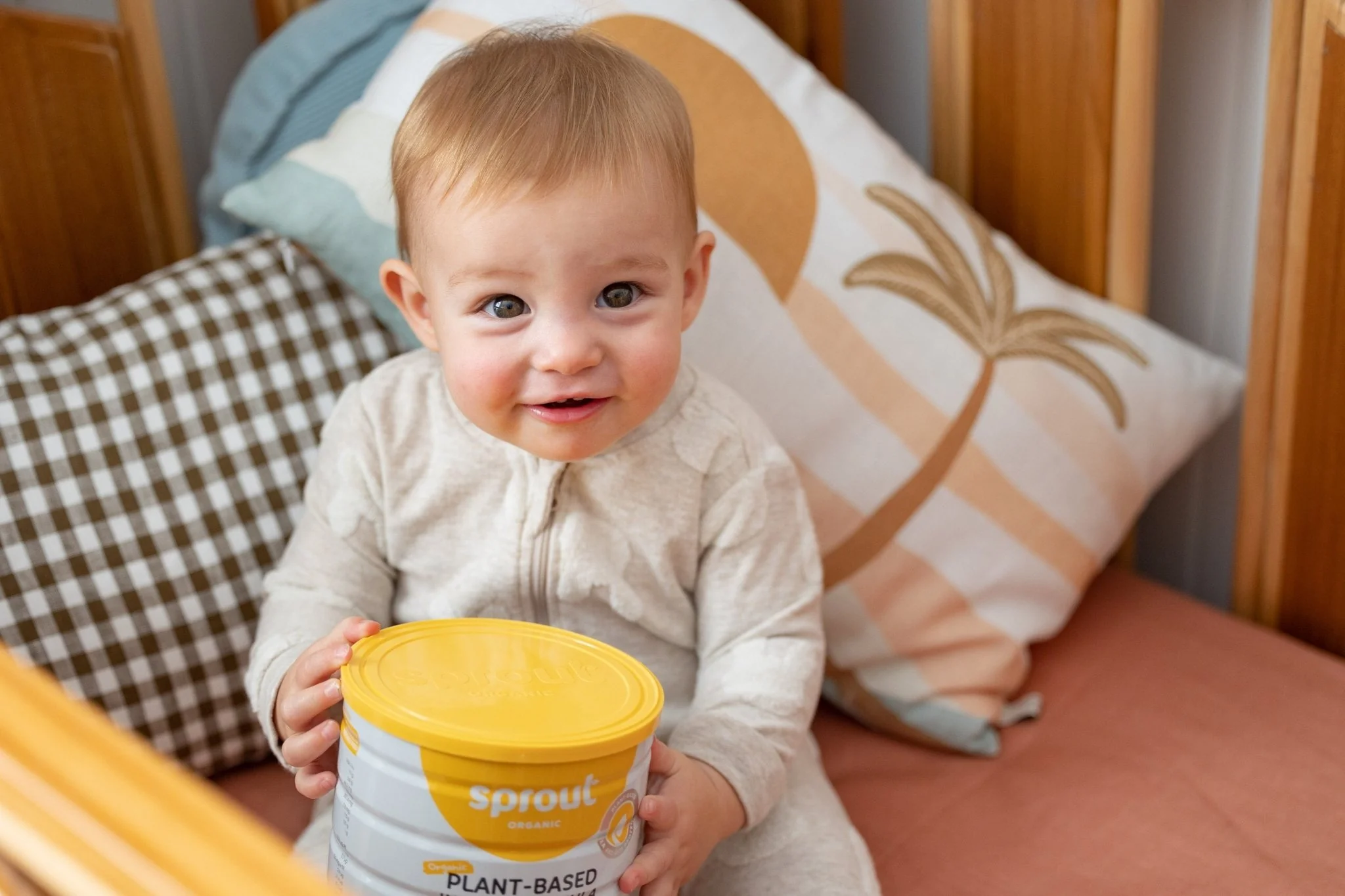
The Conscious Nursery: Baby Omuto Debuts Plant-Based Circular Infant Line in Australia and Canada
The sustainable baby care pioneer Baby Omuto has officially launched its highly anticipated circular-economy infant product line across Australia and Canada. This simultaneous dual-country release introduces a revolutionary generation of nursery essentials engineered entirely from plant-derived, fully recyclable materials. Designed to address the growing ecological concerns of modern parents, the brand aims to eliminate the massive plastic waste traditionally associated with early childhood retail. Caregivers in both regions can now secure the complete collection through dedicated, carbon-neutral digital storefronts and selected eco-boutiques.
Pioneer of Zero-Waste Infant Care
Traditional baby products rely heavily on single-use plastics and synthetic chemical coatings that take centuries to break down in landfills. The new collection directly confronts this environmental crisis by utilizing an innovative, proprietary bio-composite material derived from agricultural switchgrass and organic bamboo fibers. This breakthrough matrix matches the durability and shatter-resistance of medical-grade plastics while remaining entirely biodegradable at the end of its lifecycle. By combining this ecological framework with pediatric-approved ergonomics, the brand delivers a product line that actively protects both the infant’s immediate health and their long-term planetary future.
Key Product Highlights
The synchronized rollout features three core product categories, each structurally tailored to accommodate the everyday lifestyle patterns of Canadian and Australian families:
- Bio-Polymer Dining Kits: Ergonmically sculpted plates, bowls, and training cups that are stain-resistant, dishwasher-safe, and completely free of petroleum-based polymers.
- Modular Biodegradable Bassinets: Ultra-lightweight, folding sleep structures designed with zero metal fasteners, relying instead on high-tensile interlocking organic wood joints.
- Organic Cellular Blankets: Hypoallergenic, cross-ventilated textiles that provide optimal tactile sensory feedback while managing moisture away from sensitive newborn skin.
A breakdown of how the product features adapt to the specific geographic and consumer needs of each market:
| Operational Metric | Australian Market Adaptation | Canadian Market Adaptation |
|---|---|---|
| Material Base | Lightweight, rapid-drying eucalyptus pulp blends | High-density, wind-resistant organic linen weaves |
| Environmental Shield | Natural resistance to intense UV radiation and coastal salt humidity | Static-resistant properties tailored for dry, heavily heated winter interiors |
| Compliance Pathway | Full certification under the Australian ACCC safety frameworks | Strict alignment with Health Canada’s CCPSA chemical restriction laws |
Strict Safety Certifications
Securing shelf space in Australia and Canada requires clearing some of the strictest consumer safety barriers on earth. The collection has been awarded the prestigious OEKO-TEX Standard 100 certification, proving that every thread, button, and surface is entirely free from over 300 known environmental toxins. Furthermore, the products have successfully passed rigorous migration testing, ensuring absolutely no chemical leaching occurs when exposed to high temperatures, acidic baby foods, or saliva. This uncompromising safety profile gives parents absolute peace of mind regarding daily chemical exposure.
Direct-to-Consumer Logistics
To ensure a completely green supply chain, localized fulfillment operations have been established in Brisbane and Montreal. These facilities utilize 100% recycled packaging, water-soluble ink labels, and completely plastic-free shipping tape. Canadian orders are dispatched via domestic postal networks to minimize the carbon footprint of air freight. Australian baby-omutu.com shoppers can access localized customer care networks alongside a unique “Take-Back” circular program, which allows parents to return outgrown items for free recycling in exchange for future store credits.
If you would like to further adjust this article or prepare supporting content, please tell me:
- Should we focus on a specific age demographic (e.g., newborns vs. toddlers)?
- Do you want to include specific price ranges in Australian and Canadian Dollars?
- Would you like the next piece to focus heavily on the scientific breakdown of the bio-composite material?