
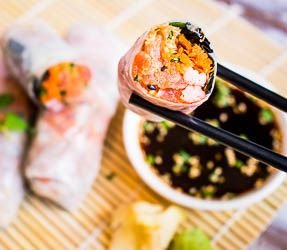
Sushi Etiquette and Tips for Tourists in Japan: Enjoying Sushi Like a Local
Visiting Japan for sushi is more than a culinary adventure—it’s a cultural experience. Knowing proper sushi etiquette and following a few simple tips can make your meal more enjoyable, respectful, and memorable. Here’s a practical guide for tourists who want to dine like a local.
1. How to Eat Sushi Properly
- Nigiri Sushi: Traditionally eaten with your hands or chopsticks. Pick it up gently and dip the fish side—not the rice—into soy sauce.
- Sashimi: Usually eaten with chopsticks. Avoid over-soaking in soy sauce; the flavor is meant to be delicate.
- Maki Rolls: Can be eaten with chopsticks or hands. For rolls with delicate toppings, handle them carefully to prevent falling apart.
- Gunkan Sushi: Holds loose toppings, like roe or sea urchin. Eat in one bite for the best flavor.
2. Respecting the Chef
- Counter Interaction: In small sushi counters, you sit directly in front of the chef. It’s polite to watch quietly, express appreciation, and avoid distracting the chef.
- Praise and Thanks: Simple phrases like “Itadakimasu” (before eating) and “Gochisousama deshita” (after eating) show respect.
- Avoid Criticism: Japanese chefs take pride in their craft. Avoid complaining or over-seasoning your sushi.
3. Soy Sauce and Wasabi Tips
- Soy Sauce: Dip only the fish side into soy sauce to prevent rice from falling apart.
- Wasabi: High-end sushi often already has the perfect amount of wasabi. Taste before adding extra.
4. Ordering Etiquette
- Omakase: Trust the chef. Omakase is a progression of flavors, and each piece is intentional.
- Menu Orders: Start with lighter fish, then move to stronger flavors. Avoid eating everything in random order.
- Ask Questions Politely: It’s okay to ask about fish or ingredients, but avoid demanding substitutions.
5. Tipping and Payments
- Tipping is not customary in Japan. Exceptional service is expected and included.
- Many sushi restaurants accept cash only, especially smaller counters. Carry enough yen to cover your meal.
6. Regional Differences
- Tokyo (Edo-mae): Focuses on lightly vinegared rice and delicate flavors.
- Osaka: Known for pressed sushi and bold flavors.
- Kyoto: Emphasizes seasonal ingredients and traditional regional styles.
7. Casual Sushi Dining
- Conveyor-Belt Sushi (Kaiten Sushi): Fun, affordable, and casual. Ideal for first-time visitors or families.
- Market Sushi: Fish markets like Tsukiji or Nishiki offer fresh sushi in a lively environment, often at lower prices.
8. Tips for an Enjoyable Experience
- Arrive early for popular restaurants.
- Eat each piece in one bite when possible to enjoy the full flavor.
- Observe local diners and follow their example for proper etiquette.
Conclusion
Sushi in Japan is both a culinary and cultural experience. By understanding proper etiquette, appreciating the chef’s skill, and following simple tips, tourists can enjoy sushi like a local. Whether at a high-end omakase zingsushi.com counter, a casual kaiten sushi, or a hidden market gem, dining with respect and mindfulness ensures your sushi adventure in Japan is memorable, delicious, and culturally enriching.