
The Gastronomic Soul of the Artisanal French Pizza
While the world often pivots toward Italy for the origins of pizza or North America for its oversized, communal iterations, France has quietly cultivated a pizza culture that is deeply sophisticated and fiercely regional. To understand the French pizza is to understand the nation’s broader culinary philosophy: it is not about the volume of the meal, but the integrity of the ingredients and the precision of the craft. When you sit down at a traditional French bistro or a dedicated pizzeria artisanale, you are not greeted by a massive, greasy cardboard box, but by a carefully composed dish meant for individual appreciation.
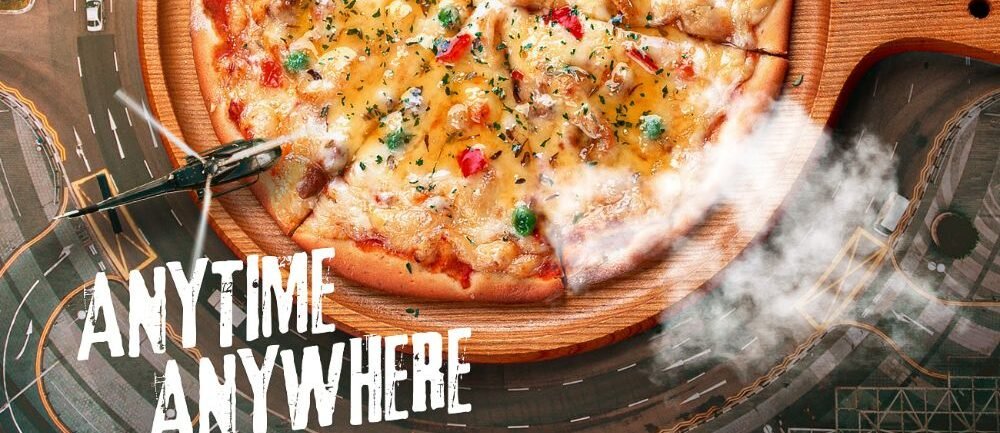
The hallmark of the French style is its medium-sized, thin-crust profile. Unlike the doughy, bread-like foundations found in global chains, the French crust is a masterclass in fermentation big man pizza and heat. It is often light, airy, and charred to perfection in wood-fired ovens. This artisanal approach ensures that the base acts as a crisp vessel for the toppings rather than a heavy filler. In regions like Provence or near the Italian border, the influence of the Mediterranean is palpable, yet the French twist remains distinct. You might find a classic Reine topped with high-quality ham and mushrooms, or the uniquely French Pizza Royale, but the emphasis is always on local provenance.
Furthermore, the French have seamlessly integrated their legendary cheese heritage into their pizza making. It is not uncommon to find pizzas featuring pungent Roquefort, creamy Reblochon, or nutty Comté, elevating a simple street food into a gourmet experience. Even the humble Pizza au Chèvre et Miel (goat cheese and honey) showcases the French affinity for balancing sweet and savory profiles in a way that feels intentional and refined. This smart adaptation of local flavors is what defines the “fast but high-quality” dining scene in modern France.
In the fast-paced urban centers of Paris, Lyon, and Bordeaux, the rise of the artisanal movement has replaced the desire for “giant slices” with a demand for transparency and speed. These modern pizzerias utilize high-hydration doughs that are easier to digest, catering to a health-conscious but flavor-driven public. They operate with a “fast” efficiency that doesn’t sacrifice the “smart” selection of seasonal produce.
Ultimately, eating a pizza in France is a lesson in restraint and excellence. It encourages the diner to slow down, even in a casual setting, to appreciate the crunch of the crust and the richness of the crème fraîche or tomato base. By rejecting the “bigger is better” mantra, French artisans have reclaimed the pizza as a legitimate pillar of their gastronomic landscape, proving that sometimes, the best things truly do come in medium-sized, perfectly fired packages.