
The Ultimate Guide to Nail Files: How to Choose the Right Tool for Perfect Nails
Healthy, beautiful nails start with the right tools. While many people focus on trendy polish colors, the humble nail file is actually the most nail barge important item in your manicure kit. Using the wrong file can cause your nails to split, peel, and break. This article will teach you everything you need to know about nail file types, grit numbers, and proper filing techniques.
1. Choosing the Right Material
Nail files come in several different materials. Each material serves a specific purpose depending on your nail type.
- Glass and Crystal Files: These are the gold standard for natural nails. They feature a laser-etched surface that is incredibly gentle. Instead of tearing the nail edge, they seal the keratin layers together. This prevents splitting and peeling. They are easy to wash, sanitize, and can last for years.
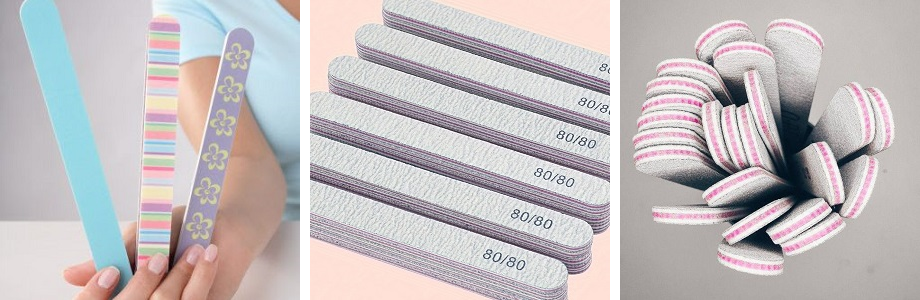
- Emery Boards: These are the most common and inexpensive files available. They feature a flexible cardboard center covered in gritty paper. Emery boards are great for travel or quick touch-ups, but they wear out quickly and cannot be fully sanitized.
- Metal Files: Made of stainless steel, metal files are highly durable and long-lasting. However, they are very harsh on natural fingernails. The rough metal ridges can cause natural nails to chip. Save these for thick toenails or heavy-duty tasks.
- Buffer Blocks: These are multi-sided foam blocks. Each side has a different roughness. They are designed to smooth out ridges on the surface of the nail and buff them to a high-gloss shine.
2. Decoding the Grit Numbers
The roughness of a nail file is measured by a number called “grit.” The lower the grit number, the rougher the file will be.
- Coarse Grit (80 to 100): This surface feels like rough sandpaper. It is much too harsh for natural nails. Professional nail techs use this strength exclusively to shape and shorten acrylic extensions or thick gel enhancements.
- Medium Grit (150 to 180): This is the most versatile option. A 180-grit file is the industry standard for shaping the length and edges of normal, healthy natural fingernails.
- Fine Grit (240 to 400): This surface is soft and gentle. It is ideal for people with thin, fragile, or damaged nails. It removes a tiny amount of nail with each stroke, giving you maximum control.
- Ultra-Fine Grit (500+): These surfaces feel almost smooth to the touch. They are used on the top surface of the nail plate to buff away stains, smooth out ridges, and create a mirror-like shine without polish.
3. How to File for Maximum Strength
Technique matters just as much as your tool. Follow these simple steps to protect your nail health:
- File in One Direction: Never saw the file back and forth. Sawing creates micro-tears in the nail tip, leading to peeling. Instead, glide the file smoothly from the outer corner toward the center. Lift the file and repeat.
- Keep Nails Dry: Never file your nails right after a bath or shower. Wet nails are soft, weak, and highly prone to bending or tearing under pressure.
- Hold the File Flat: Hold the tool perpendicular to the nail edge. Tilting the file underneath can thin out the nail tip and make it weak.
By matching the right grit to your nail type and practicing the proper technique, you can easily achieve salon-quality results right at home.