
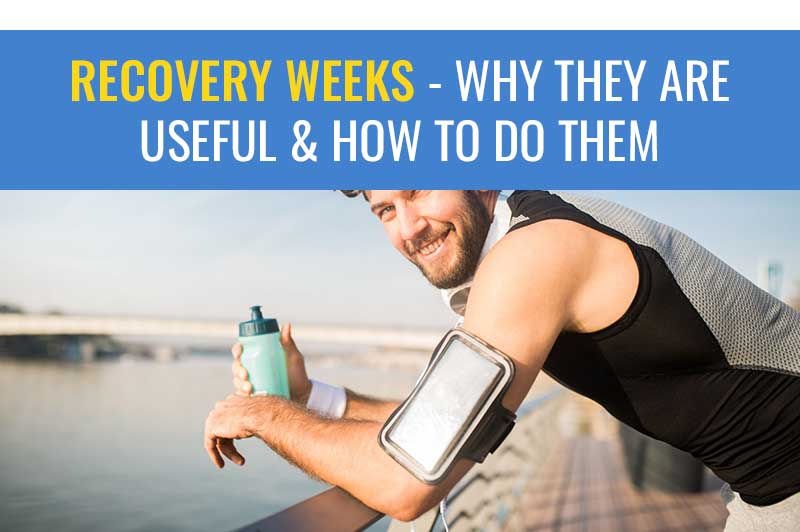
The Science of Recovery: How to Optimize Your Body After Physical Activity
Exercise challenges your body. When you lift weights, run, or play sports, you create microscopic tears in your muscle fibers. You also https://www.keepyoungmassage.com/ deplete your body’s primary energy stores and lose vital fluids through sweat. While fitness progress is triggered during a workout, the actual adaptation—where you get stronger, faster, and more resilient—happens entirely during the recovery phase. Failing to prioritize recovery leads to chronic fatigue, decreased performance, and an increased risk of injury. By implementing a structured recovery routine, you can maximize your fitness gains and bounce back faster.
Nutritional Strategy: Refueling and Rebuilding
What you consume after physical activity dictates how quickly your body heals. The period immediately following a workout is often called the “recovery window.” During this time, your body is highly efficient at absorbing nutrients.
- Protein Synthesization: Consuming 20 to 40 grams of high-quality protein within two hours of exercise provides the necessary amino acids to repair damaged muscle tissue. Excellent sources include lean chicken breast, eggs, Greek yogurt, salmon, or plant-based protein powders.
- Carbohydrate Replenishment: Intense exercise depletes glycogen, which is the stored glucose your muscles use for energy. Eating complex carbohydrates like sweet potatoes, brown rice, oatmeal, or bananas restores these energy banks and prevents post-workout sluggishness.
- Hydration and Electrolytes: Dehydration impairs muscle recovery and increases soreness. Drink plenty of water immediately after exercising. If your session lasted longer than an hour or caused heavy sweating, consume electrolytes—such as sodium, potassium, and magnesium—to replace lost minerals and maintain proper fluid balance. Avoid alcohol, as it dehydrates the body and actively stalls muscle protein synthesis.
Active Recovery: The Power of Gentle Movement
While total rest is sometimes necessary, complete inactivity can lead to stiffness and prolonged soreness. Active recovery involves performing low-intensity exercise that stimulates blood flow without placing additional stress on the body.
- The Post-Workout Cool-Down: Never stop moving abruptly after a hard session. Dedicate 5 to 10 minutes to a low-intensity walk or easy cycling. This gradually lowers your heart rate and helps clear metabolic waste products like lactic acid from your muscles.
- Rest-Day Movement: On days when you do not train hard, engage in light activities. A casual walk, a gentle swim, or a restorative yoga session keeps your joints lubricated and enhances blood circulation, delivering fresh oxygen and nutrients to healing tissues.
- Targeted Flexibility Work: Perform static stretching when your muscles are already warm. Hold each stretch for 15 to 30 seconds without bouncing. Focus heavily on major muscle groups used during your workout, such as the hamstrings, quadriceps, hips, and lower back.
Physiological Rest: Deep Healing Through Rest and Tools
The most profound healing occurs when your body is completely at rest, particularly during sleep when growth hormone levels spike.
- Sleep Optimization: Aim for 7 to 9 hours of quality sleep each night. To improve sleep quality, establish a calming bedtime routine and avoid the blue light from screens for at least one hour before bed.
- Myofascial Release: Utilizing tools like foam rollers or massage guns helps break up knots and tension in the fascia, the connective tissue surrounding your muscles. This practice alleviates muscle tightness and increases range of motion.
- Thermal Therapy: For acute soreness or minor swelling within the first 48 hours, apply ice packs to constrict blood vessels and reduce inflammation. For chronic stiffness or general muscle relaxation later on, use heat therapy—such as a warm bath or heating pad—to dilate blood vessels and boost circulation.
Optimizing your recovery is just as crucial as the physical activity itself. By treating nutrition, active movement, and rest with the same dedication as your workouts, you ensure long-term athletic success and a healthier, pain-free body.